
The psychology behind risk understanding the gambler's mindset
The Nature of Gambling Addiction
Gambling addiction is a complex psychological issue that often stems from a deep-rooted desire for excitement and the thrill of risk-taking. Many gamblers experience a rush of adrenaline, which can lead to an altered state of consciousness. This state, often referred to as «the zone,» can make them feel invincible and capable of winning, which can perpetuate their gambling behavior. They frequently explore various options, including pokies online nz, seeking the exhilaration they crave.
The thrill of taking risks is tied to the brain’s reward system. When a gambler wins, their brain releases dopamine, a neurotransmitter that reinforces pleasurable experiences. This creates a cycle of chasing wins, where the gambler believes that a big win is just around the corner, despite often experiencing significant losses.
Cognitive Biases in Gambling
Cognitive biases play a crucial role in how gamblers perceive risk and make decisions. One significant bias is the illusion of control, where gamblers believe they can influence the outcome of games that are fundamentally random. This misconception can lead to overconfidence and risky behaviors, as players often overestimate their skill or strategy.
Another bias is the gambler’s fallacy, where individuals believe that past outcomes affect future results in independent events, such as a coin flip or a roulette spin. For instance, a player might think that after a series of losses, they are «due» for a win, leading them to take increasingly dangerous risks in hopes of recouping losses.
Emotional Factors in Risk-Taking
Emotions play a significant role in how gamblers approach risk. Feelings of excitement, anticipation, and even despair can heavily influence decision-making. For many, gambling serves as a way to escape negative emotions or stress, which can lead to impulsive betting and greater risk-taking.
Additionally, social factors can amplify these emotions. Gambling is often seen as a social activity, and the presence of others can increase the excitement and perceived chances of winning. This social dynamic can encourage individuals to take risks they might not consider if they were gambling alone.
The Role of Environmental Cues
The environment where gambling occurs can heavily impact behavior and risk perception. Casinos and online platforms are designed to create an atmosphere of excitement and urgency. Bright lights, engaging sounds, and the presence of other players can heighten the overall experience, making individuals more prone to risky decisions.
Marketing strategies in the gambling industry also play a role in shaping the gambler’s mindset. Promotions and bonuses can create a sense of urgency, prompting players to act impulsively. This manipulation of the environment can lead to heightened risk-taking as players chase after perceived opportunities for big wins.
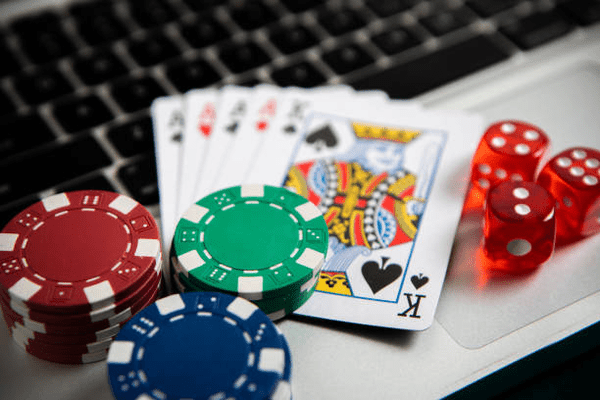
Understanding the Gambler’s Mindset for Safer Play
To foster safer gambling practices, it’s essential to understand the psychology behind risk-taking. Recognizing cognitive biases and emotional influences can help individuals make more informed decisions. By being aware of the psychological triggers that lead to risky behavior, players can develop healthier gambling habits.
Educating oneself about the gambling environment is also vital. Understanding how casinos and online platforms operate can help players navigate these spaces more effectively. Creating a strategy for managing risk and setting limits can aid in maintaining a healthy relationship with gambling, ensuring it remains a source of enjoyment rather than a pathway to addiction.